Origins
The Philanthropy Reform Alliance (PRA) was founded by development practitioners in response to a growing recognition that many of the persistent challenges in development are not only technical, but rooted in how systems, relationships, and decisions are structured in practice. This thinking builds on a central insight from Professor James Thomas’s But I Meant Well: Unlearning Colonial Ways of Doing Good—that good intentions do not automatically translate into good outcomes, particularly when the systems and assumptions that shape practice remain unchanged.
Despite global commitments to the Sustainable Development Goals (SDGs), the Grand Bargain, and broader reform efforts aimed at shifting power and improving effectiveness in development and humanitarian systems, a persistent gap remains between policy ambition and lived reality.
At the same time, the development landscape is undergoing important shifts driven by financial constraints, increasing pressure for more sustainable impact, and growing demands for locally led and contextually grounded solutions. These shifts present both urgency and opportunity to rethink not only how development is funded, but how it is practiced
It is within this evolving context that PRA emerged as an Africa-led initiative founded by development practitioners seeking to bridge the gap between intention and lived reality. It creates space to pause, reflect, and critically examine how development systems function in practice, while also supporting the co-creation of more equitable pathways toward sustainable development.
At the heart of PRA’s approach is the recognition that systems are not abstract structures—they are made up of people. They are designed, maintained, and reproduced through human decisions, behaviours, and everyday practice. The ways people act within these systems are not neutral; they are shaped by personal values, knowledge, assumptions, experiences, and institutional norms that often remain unexamined.
This is why PRA centres development practitioners. It starts from the understanding that transformation cannot happen outside the people who design, operate, and sustain systems. These systems persist not only because of structures, but because of the everyday decisions, judgements, and assumptions of those working within them. Understanding how practitioners think, decide, and act is therefore essential to understanding how systems are reproduced—and what it would take to shift them in practice.
Why PRA Exists
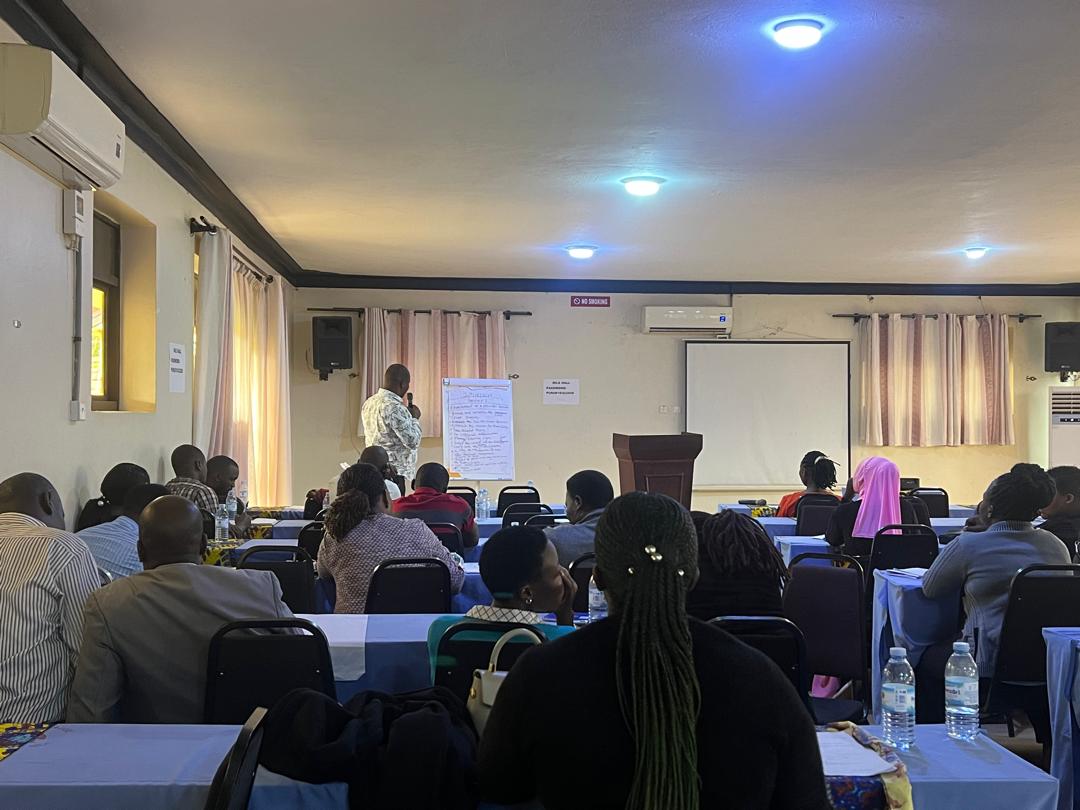
PRA was established as an Africa-led initiative to create space for practitioners to pause, reflect, and engage differently with the realities of development work. It responds to the need for deeper reflection on how development is actually experienced and practiced on the ground.
.png)
Unlearning at the Core
At the heart of PRA is a commitment to unlearning—surfacing and questioning the assumptions, norms, and habits that shape how power, partnerships, and decision-making operate within development systems. This includes examining how individual values and assumptions influence everyday practice in often unseen but powerful ways.
What We Are Building
At its core, PRA is creating the conditions for change—where funders can reimagine how they give and engage, practitioners can rethink how they work and relate within the ecosystem, and development itself can be redefined through practice, reflection, and lived experience.
What Success Looks Like
For PRA, success is not defined by immediate structural change, but by meaningful shifts in how practitioners see and engage with development practice. We consider this work impactful when participants develop a more nuanced understanding of how systems and partnerships function beyond formal structures, begin to critically reflect on their own roles within those systems, and engage in more open, grounded conversations around power, trust, and accountability
Ultimately, we seek to contribute to a shift in development practice towards:
· Solidarity rather than charity
· Partnership rather than patronage
· Community leadership rather than external control

Our Mission

Our Vision
Our Core Values

Local Leadership First
CBOs and community actors are strategic co-designers, not implementing arms. Their knowledge, priorities, and accountability downward to communities must be centered in development practice.
Honesty Over Performance
We create spaces where practitioners can name the contradictions of their work without professional consequence, we believe that honest reflection preconditions genuine change.
Practitioner Solidarity
We recognize that development workers are often trapped within institutional incentives that make it difficult to act on their own values. We work alongside practitioners, not against them.
Trust-Based Partnership
Relationships between funders and grantees, between INGOs and CBOs, between practitioners and communities cannot be reduced to compliance mechanisms. Trust must be actively built and mutually practiced.
African-Centered Knowledge
We affirm the validity and power of African-generated knowledge systems, including Ubuntu philosophy and community-led epistemologies, as legitimate foundations for development practice.
Practice What We Preach
PRA holds itself to the same standards it advocates for: transparency, shared ownership, community accountability, and continuous self-reflection are non-negotiable features of our own organizational culture.
We believe meaningful change begins with honesty, is sustained through trust, and is driven by those closest to the work.
Our Approach
Surface Practice
Examine how development is actually experienced and practiced in real contexts—surfacing lived realities, patterns, and everyday dynamics.
Unlearn Assumptions
Critically reflect on the assumptions, norms, and individual values that shape how we think, decide, and act within development systems.
Reframe
We explore how power, partnerships, and decision-making operate in practice, and reimagine more equitable and trust-based ways of working.
Enable Practice Change
We support reflection to translate into shifts in how practitioners and organisations engage, relate, and make decisions within development systems.